AI image generation has moved from novelty to infrastructure and appears in any sophisticated design workflow, marketing pipelines and product teams. What remains less settled is not its presence, but how creatives should use it.
A new kind of collaborator
For many designers, the shift is no longer about learning how to use a new tool, but about learning to work with a different kind of collaborator: one that is silicon-based. Where traditional design software functions as a direct extension of the designer’s hand, generative models behave differently: they synthesise patterns from training data, interpret context and return probabilistic results, rather than following a fixed set of instructions. The interaction, therefore, resembles a dialogue more than a command, and as with any collaboration, the quality of what comes back depends heavily on how clearly the intention is framed. This is where prompting trumps practice.
Working with AI requires a mindset closer to working with a capable (if soulless) teammate. Designers provide context and define direction rather than micromanage every detail. They evaluate results, refine the brief and iterate from there. This shifts the centre of upstream skills, as designers increasingly structure the thinking that enables the system to produce useful outcomes. It represents a different form of authorship, and most conversations around AI still underestimate how significant that shift is.
Briefing is the skill
Because generative systems interpret instructions rather than execute them literally, clarity becomes the real competency. Strong results rarely come from long prompts packed with detail: they emerge from well-structured intent – the same thinking that sits behind a strong creative brief. Designers still ask familiar questions: what does the image need to communicate, where will it live, and what constraints define success?
Prompting, in that sense, is not a new technical trick but the basic design capability of briefing that has simply become more visible.

Exploration at a new pace
AI is also changing the rhythm of early creative exploration. Reference gathering, visual testing and concept variation – work that once unfolded across several rounds – can now happen more seamlessly within the design process… Rather than removing stages of the pipeline, generative tools allow teams to examine a broader range of directions earlier and bring more options into discussion.
Greater exploration naturally increases the importance of judgement. The key questions remain familiar: which direction best serves the brief, and which ideas deserve further development? Those decisions still sit with the designer. AI expands the range and speed of exploration, but defining direction remains distinctly human work.
Another shift is that generation is increasingly becoming embedded inside creative tools rather than existing as separate platforms. As models integrate directly into design software, the boundary between designing and generating becomes less visible, turning the system into part of the environment rather than a tool used alongside it.
What models do not do (yet)
Generative models can produce convincing images, but they do not possess purpose. They do not know why an image should exist, whether it truly serves the brief, or whether the output is effective rather than simply visually impressive.
While a model can optimise for plausibility, the more complex analytical judgements around narrative, strategic intent and the criteria that make work meaningful still sit on the human side of the process. AI expands what can be generated, while judgement determines what is worth creating, and rejecting.
AI expands what can be generated. Judgement determines what is worth creating – and rejecting.

Direction starts with the people
If generative systems lack intent, direction must come from somewhere else. Left on their own, models will produce variation after variation, but what gives those outputs meaning is the structure around them – the idea, the brief and the constraints that define what success looks like. In this sense, human capacity expands rather than diminishes: designers provide the narrative, the objective and the criteria that guide exploration, while the systems operate within that frame to produce variations, test possibilities and accelerate iteration.
When direction is clear, the model amplifies the work; when it is not, generation simply produces more options without improving the outcome. Authorship, therefore, is not something AI replaces, but something designers continue to hold, now expressed through how they guide and structure the system.
The landscape has no fixed state
Capabilities that felt impressive only a year ago are already becoming obsolete. Model quality continues to improve rapidly, and the same generative logic shaping image workflows is extending into video, 3D and multimodal systems.
The practical implication is staying close to the tools as they evolve. Designers shaping these workflows are not waiting for the landscape to stabilise; they are building intuition while the technology moves. The workflows we develop today are better understood as drafts, and the most useful ones remain flexible enough to evolve alongside the tools themselves.
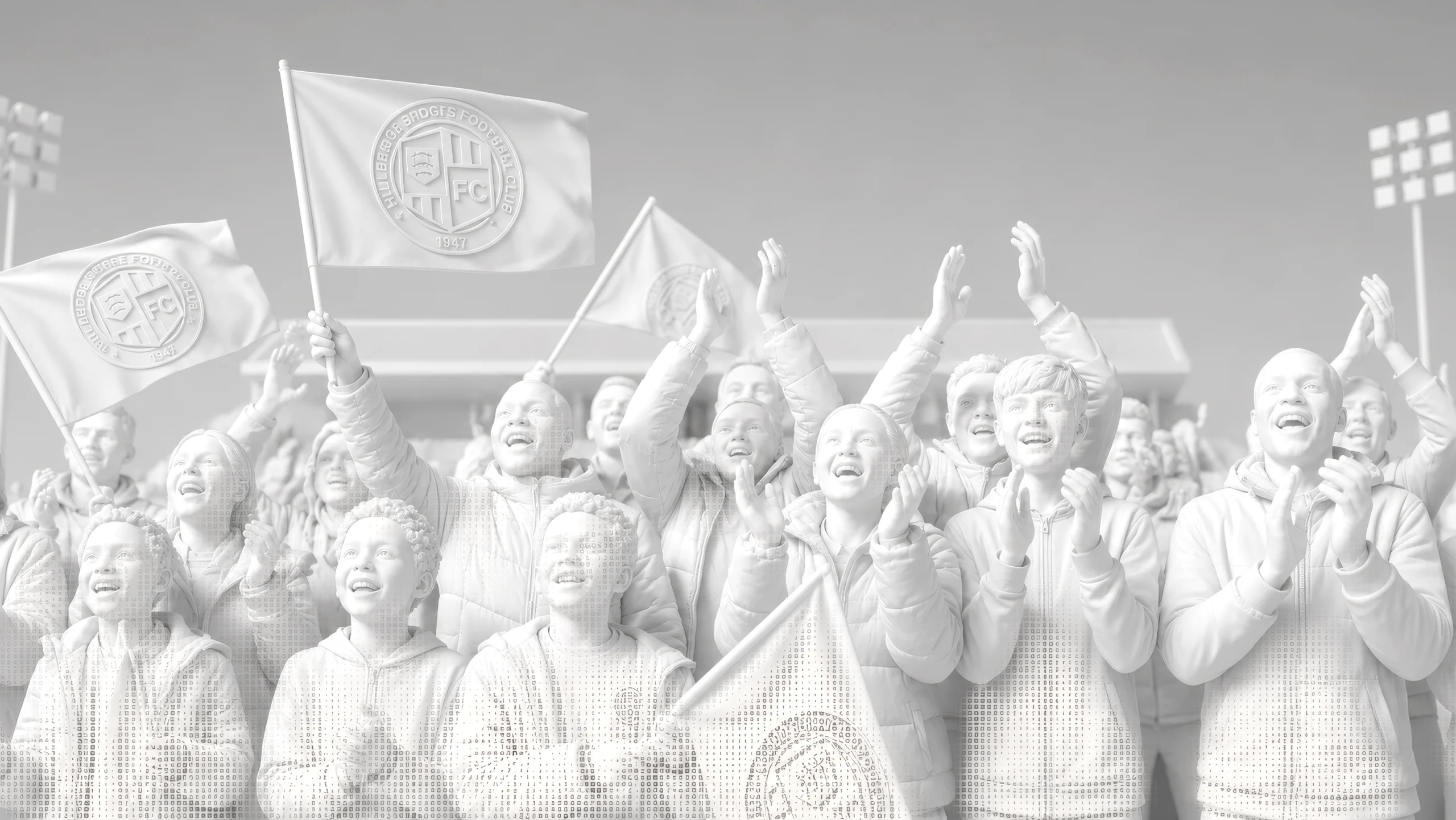
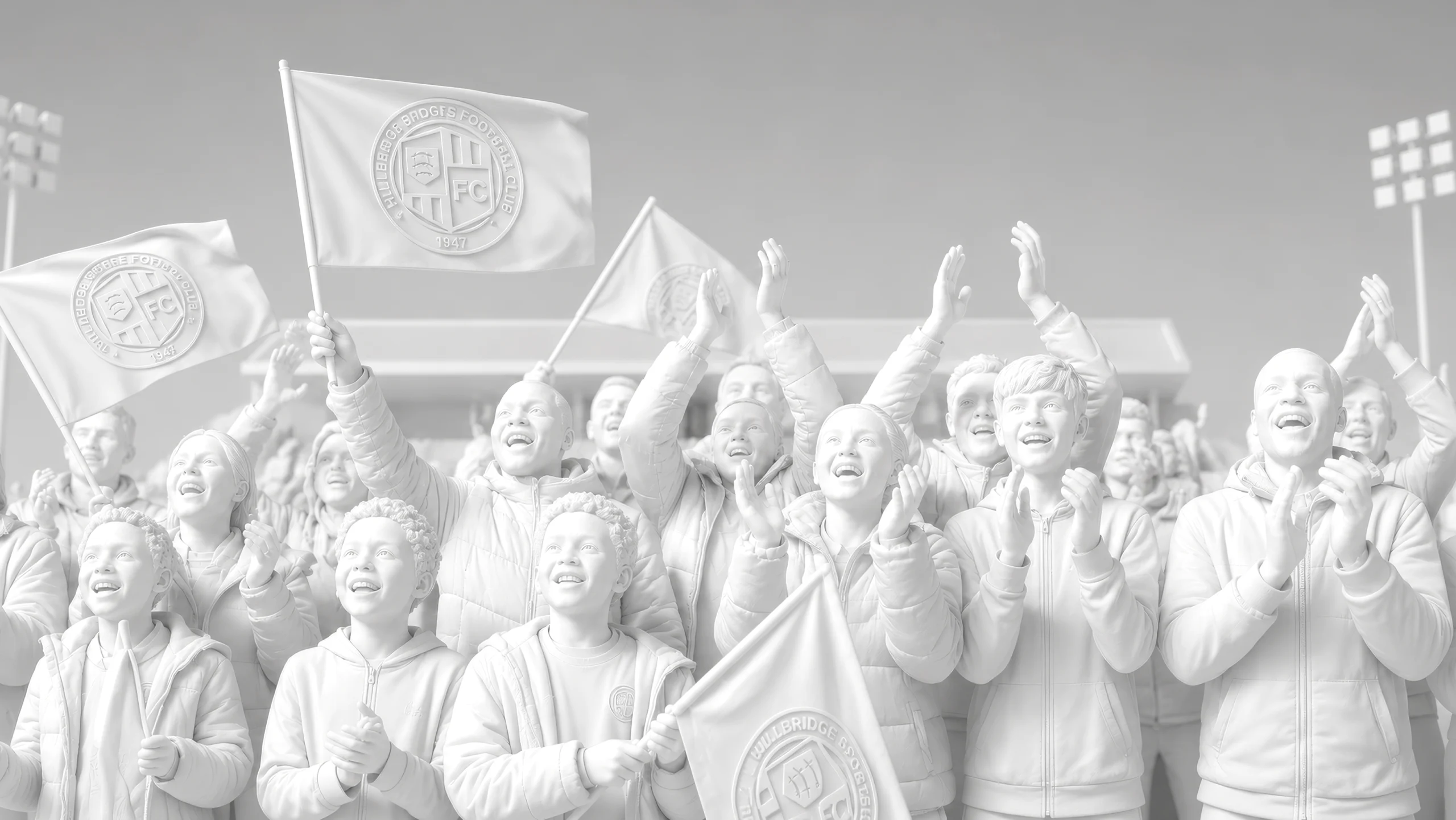
The argument above is straightforward: direction is irreducibly human work. But arguments are easy. Late last year, we put that position to the test – producing a promotional film for a grassroots football club using only the AI tools available to a small team, without a set, cast or location crew. Here is what happened.
“What Within International demonstrated is that the future for creative agencies in film production is not about replacing people with AI, it is about combining human talent, know how, and judgement with generative systems in sensitive ways. Will and the team have embraced that meeting point and the results speak for themselves. Many agencies are talking about AI, this team is showing how, and importantly when to use it.”
Martin PuntSenior BD Director, JTCManager, Hullbridge Sports FC EJA (U14)
Explore our articles
Original thinkers. Proven creators.

Aligning brand, purpose and strategy – A conversation with Eve Vlemincx | Part 2

Aligning brand, purpose and strategy – A conversation with Eve Vlemincx | Part 1

Discontinuous change and the break with old logic

“Work the heck?”: highlighting the dangers of the UK’s new policies to businesses, international talent and young people.
“Work the heck is going on?” A question everyone in the current job market has asked themselves at one point (and yes, pun intended).
Should digital transformation be applied to enhance tech efficiency in the shipping sector? AI, IoT, digital twins and more.

The science of building brands for the intangible
For years, Within International has specialised in building brands for the hardest thing to define: the intangible.
The case for neuroscience in business
Outside looking in: a call for change in shipping

The city that never sleeps
We usually work in words – but this time, the pictures said it better. A visual story from our recent New York adventure.