

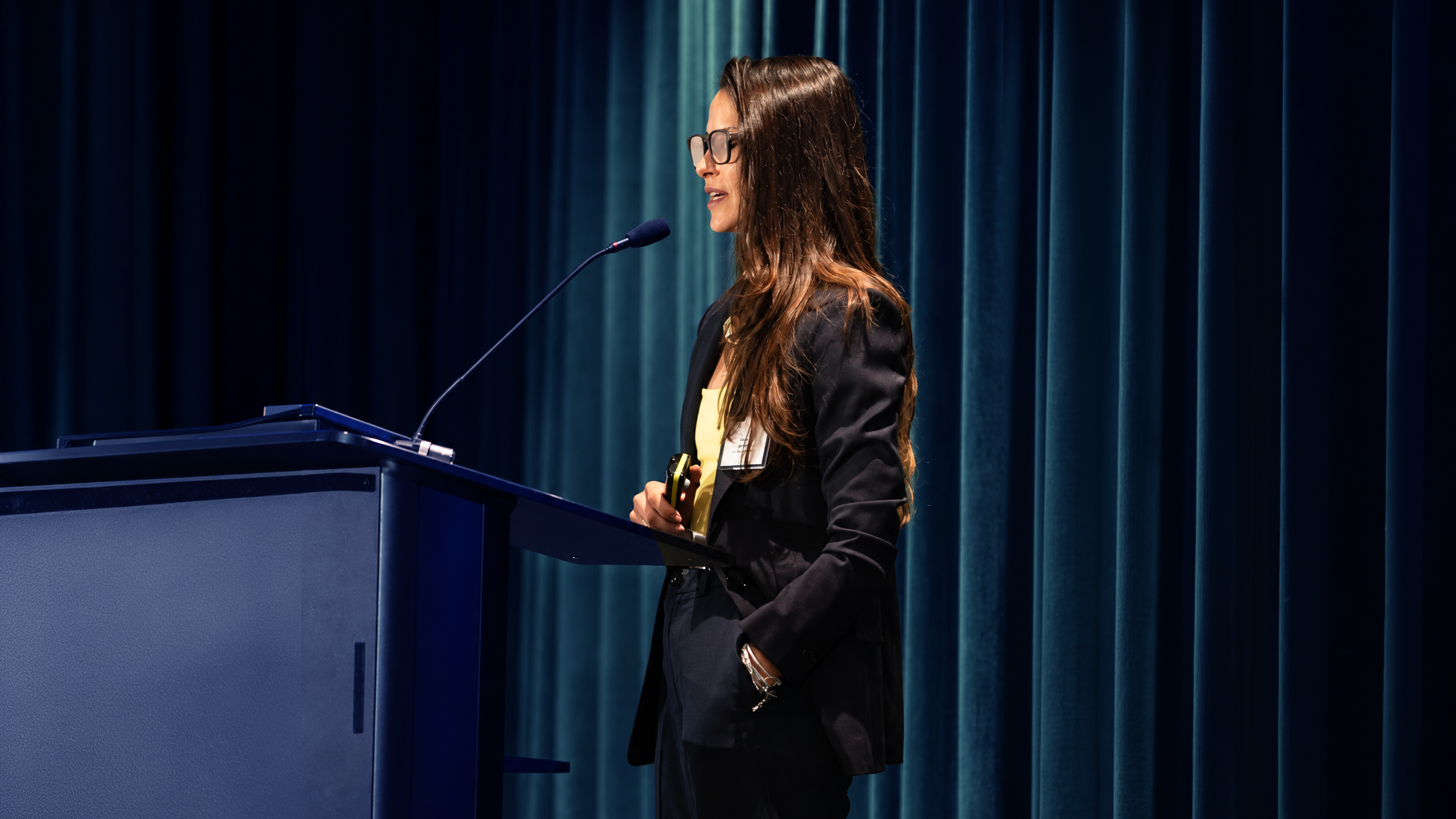
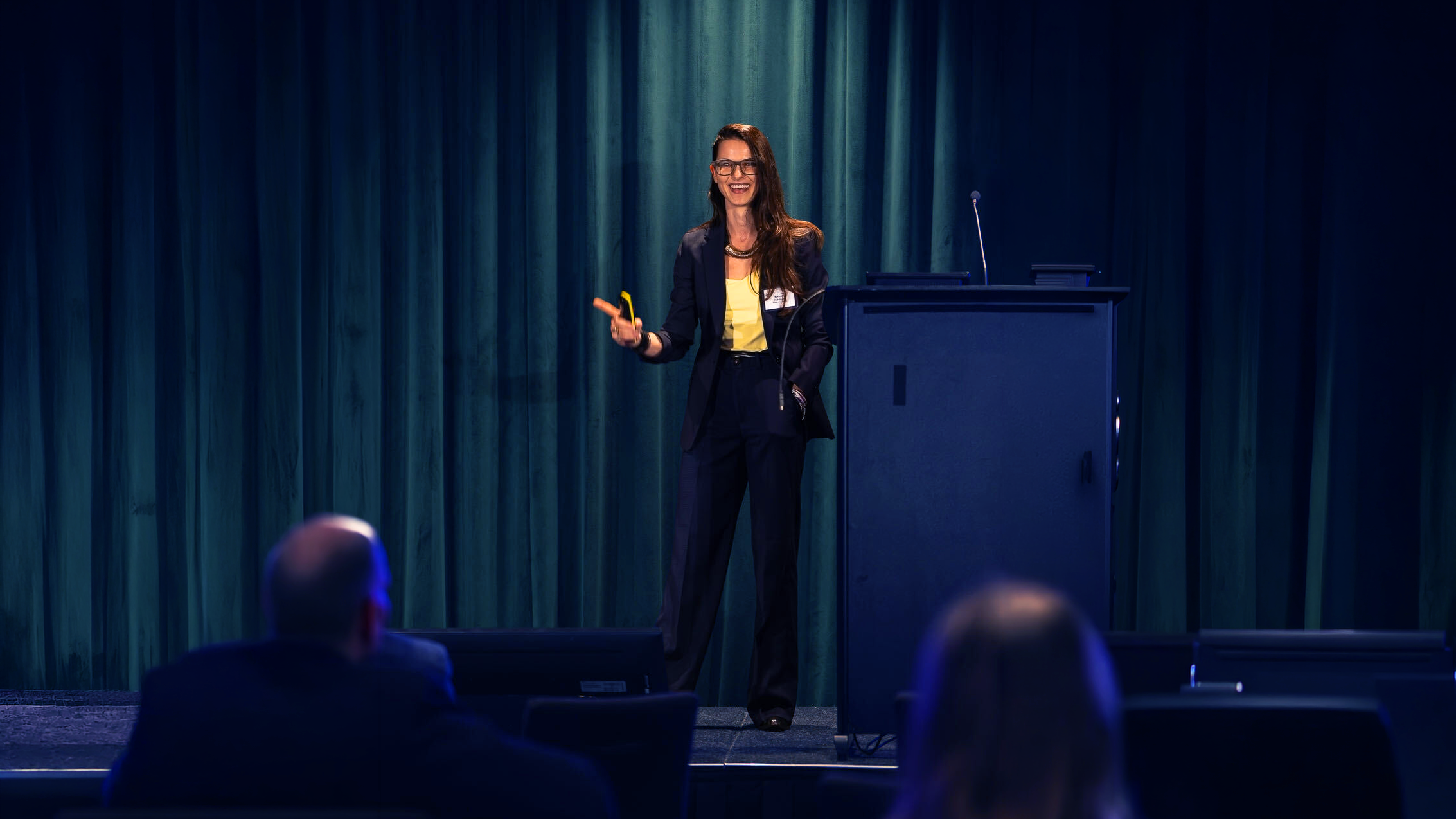
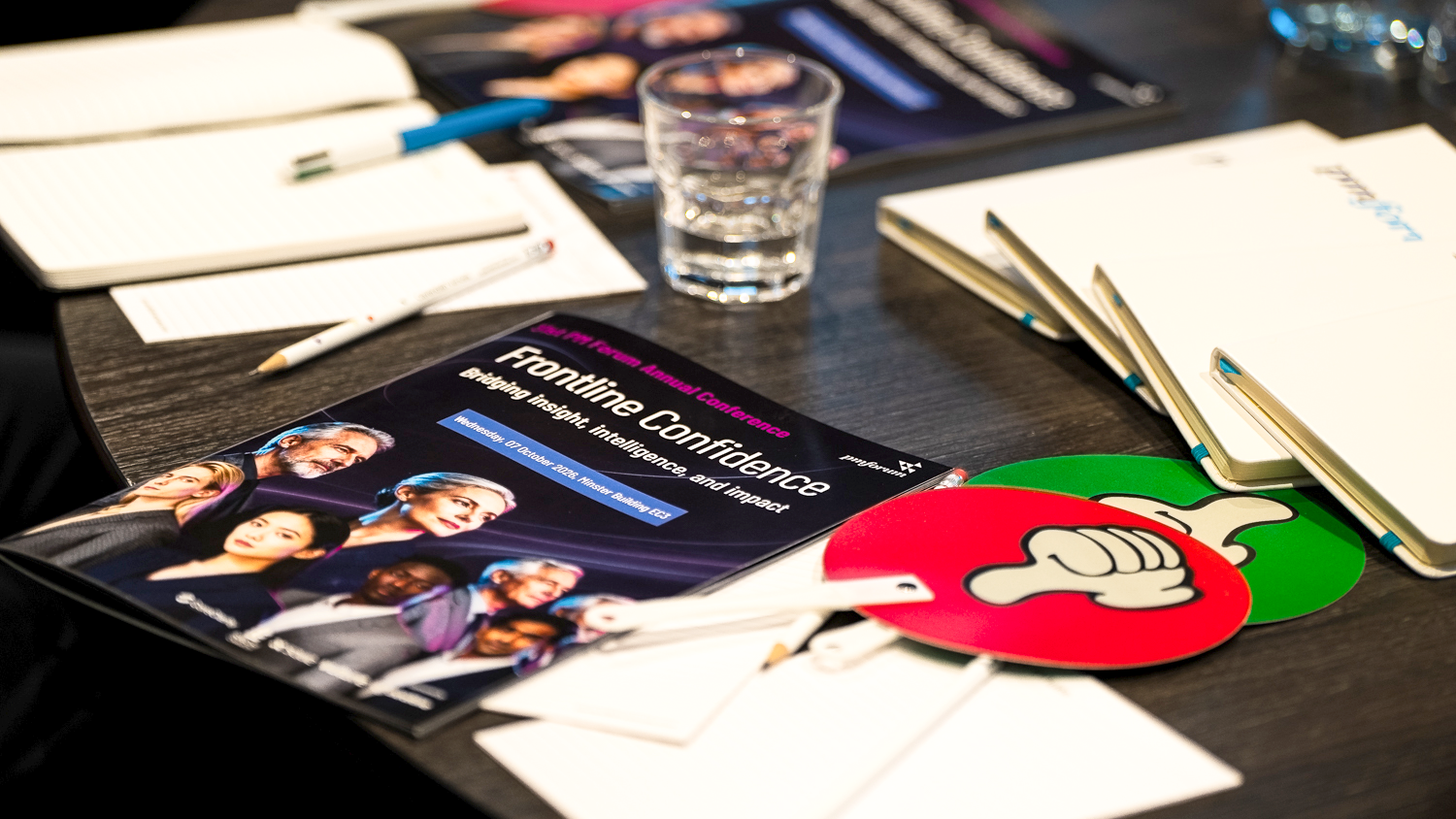
This month, I delivered the closing keynote at the PM Forum Annual Conference, themed “Frontline Confidence.” The event explored confidence at the firm, team and individual levels. My session, “Confidence is preparation,” looked at how we become confident enough to act, and whether that confidence is supported by the evidence.
I began with an experiment in which everyone was wrong. In 1998, psychologists Gary Wells and Amy Bradfield asked participants to identify a culprit from a line-up. The culprit was absent, so every identification was wrong. Some witnesses were then told, “Good, you identified the suspect.” That one sentence made them more certain of their choice. It also changed their recollection of how clearly they had seen the culprit. They had no new evidence, but they felt more confident.
The experiment raises a question that matters in every firm: when a partner says, “I feel confident this will work,” what are they telling us? Does that confidence reflect strong evidence, or has something else helped it grow?
In decision neuroscience, confidence is our estimate of how likely a judgement is to be correct. We answer two related questions: “What do I think?” and “How likely am I to be right?” Our confidence can be unreliable in two ways. We may be just as confident when we are wrong as when we are right. Or we may be consistently more or less confident than our accuracy justifies.
This matters for clients, who often have to choose an adviser before they can fully assess the advice. Confidence helps them decide whom to trust. Advisers therefore need to connect three questions: What do I believe? How strong is my evidence? And what does that justify me doing? The most useful confidence is confidence we can explain.
A 2013 study illustrates how far confidence can drift from accuracy. Physicians correctly diagnosed 55.3% of easier cases and only 5.8% of difficult ones, yet their confidence fell only slightly, from 7.2 to 6.4 out of 10. Higher confidence was also associated with fewer requests for additional tests. Research by Max Rollwage and colleagues at University College London suggests that greater confidence can make people less willing to revise a wrong answer when new evidence appears.
Organisations often reward confidence. Cameron Anderson and colleagues found that overconfident individuals gained higher status in groups, regardless of their actual ability. But confidence also creates expectations. Elizabeth Tenney and colleagues found that a confident source lost more credibility when proved wrong than one who had expressed uncertainty. Sounding sure may help us gain trust; keeping it requires our confidence to be justified.
Eyewitness research offers a more encouraging finding, too. In Wells and Bradfield’s study, witnesses who received no feedback were generally uncertain about their choice, with good reason. Reviewing three decades of research in 2017, John Wixted and Gary Wells concluded that an initial confidence judgement, recorded under fair conditions and before outside influence, can provide valuable information. What happens afterwards can change confidence without adding evidence.
For firms, this suggests a reason to preserve a team’s initial private assessment of an opportunity. Rehearsals, senior approval and polished proposals may make everyone feel more certain without improving the case. Preparation should strengthen the evidence while helping us recognise when our confidence has changed for other reasons.
There are several practical ways to do this.
Record the initial assessment. Before discussing an opportunity, ask each person to note privately how likely success is and what evidence supports that estimate. This gives the team a starting point to revisit, rather than relying on memories coloured by how things turned out.
Practise answering, not just rereading. Students who practised recalling a passage remembered about 61% of it a week later, compared with 40% among those who only reread it. In the same way, familiarity with a presentation is different from being able to answer an unexpected question. Preparation needs to include both.
Consider both outcomes. Imagine that you won the pitch, then that you lost it. Explain what happened in each case. People tend to give fuller explanations when they imagine an outcome has already occurred. Imagining success alone can leave important weaknesses unexplored.
Ask about disagreement. Ask each person for their answer and how many colleagues they expect to agree. If seven out of ten say yes, but people expected nine, hear from the three dissenting voices before moving on. Their concerns may be less widely shared than expected, but still worth understanding.
Generative AI gives us another reason to examine where confidence comes from. It can offer a persuasive equivalent of “Good, you identified the suspect.” In 2025, Mark Steyvers and colleagues found that longer AI-generated explanations increased people’s confidence without improving their ability to distinguish right answers from wrong ones. When an idea comes back sounding polished and complete, we should ask what has improved: the wording or the evidence?
The same questions matter when confidence is too low. Professional training often focuses on overconfidence, but capable people can also underestimate their judgement. Marion Rouault, Stephen Fleming and colleagues found that people with more symptoms of anxiety and depression were less confident despite being equally accurate, and were sometimes better at distinguishing their correct answers from their mistakes. The study did not directly examine the impostor phenomenon, but it illustrates an important point: feeling less confident does not necessarily mean being less capable.
The response to both overconfidence and underconfidence begins with the same three questions. What do I believe? How strong is my evidence? What does that justify me doing? Sometimes the answers reveal a need for more preparation. Sometimes they show that we are ready to act, even though we still feel uncertain. Preparation can reduce uncertainty, but it cannot remove it altogether.
When someone asks, “Why are you so sure?”, we should be able to explain. And when someone says, “I’m not sure we’re ready,” it is worth asking the question in reverse: “What makes you so unsure?”
Explore our articles
Original thinkers. Proven creators.

Sentiment AI – The intelligence layer AI is missing

Creative advantage in the age of generative systems

Aligning brand, purpose and strategy – A conversation with Eve Vlemincx | Part 2

Aligning brand, purpose and strategy – A conversation with Eve Vlemincx | Part 1

Discontinuous change and the break with old logic

“Work the heck?”: highlighting the dangers of the UK’s new policies to businesses, international talent and young people.
“Work the heck is going on?” A question everyone in the current job market has asked themselves at one point (and yes, pun intended).

Should digital transformation be applied to enhance tech efficiency in the shipping sector? AI, IoT, digital twins and more.

The science of building brands for the intangible
For years, Within International has specialised in building brands for the hardest thing to define: the intangible.

The case for neuroscience in business

Outside looking in: a call for change in shipping

The city that never sleeps
We usually work in words – but this time, the pictures said it better. A visual story from our recent New York adventure.